


12 Facts About 90s Christmas
- Dec 4, 2025
- 8 min read

If I close my eyes and picture it, I can see myself as a five-year-old child, surrounded by gift wrapping paper in my nana’s living room, lording over my Dirt Devil vacuum toy, my Easy-Bake Oven, and Scooby-Doo tapes for my new VHS player. I was doomed to love Christmas. From movies to toys to music, the holiday was so delicious in the 90s. Here are 12 facts you may or may not know.
Christmas Franchise of The Decade
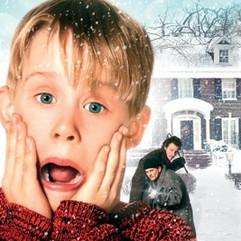
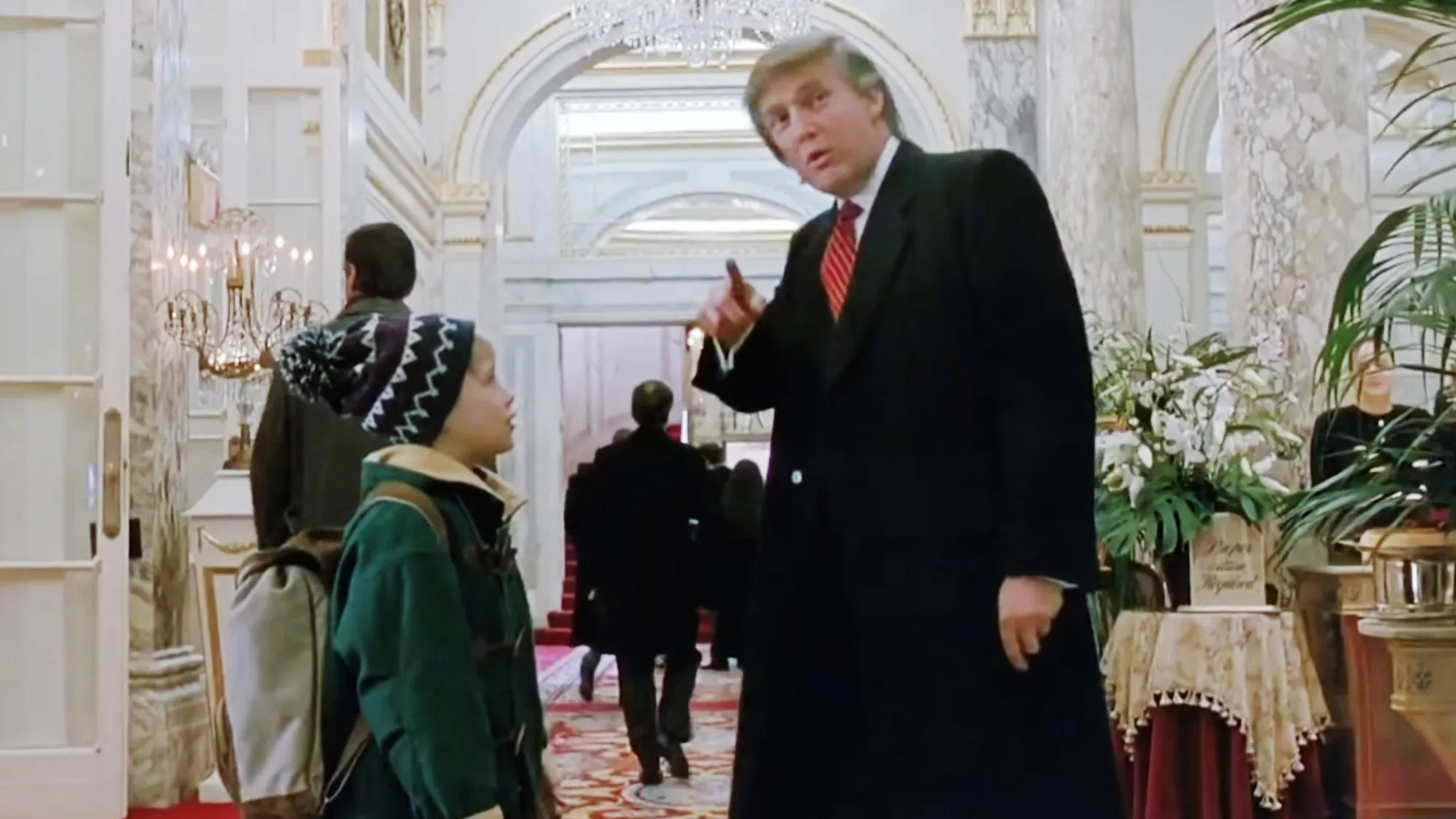
The popular Christmas film Home Alone was released in 1990, grossing $467.7 million at the box office, making it the highest-grossing live-action comedy at the time. That record wouldn’t be beaten for nearly two decades. Child star Macaulay Culkin was paid $4.5 million plus 5 percent of the 1992 sequel’s gross, compared to his $110,000 salary for the first movie. Donald Trump allowed the film to be shot in the Plaza Hotel, which he owned at the time, in exchange for a cameo. For kids who had seen Home Alone 2, a popular wishlist item was the Talkboy, a handheld voice recorder that altered Kevin McCallister’s voice. A real version of the movie prop was created as a promotional tie-in and retailed for $24.99.
The First Text Message
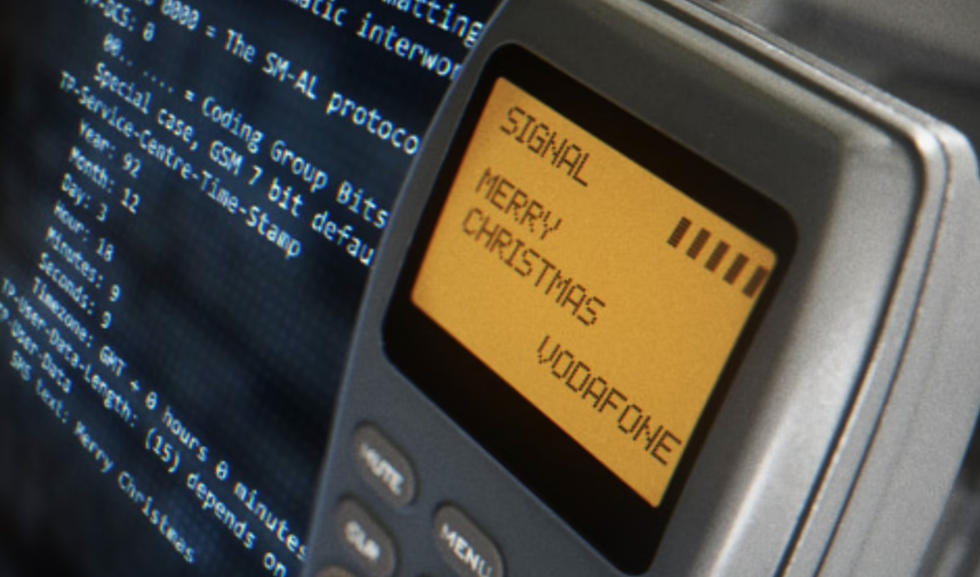
The first SMS text message was sent on December 3rd, 1992, and it read “Merry Christmas.”
Christmas Racism
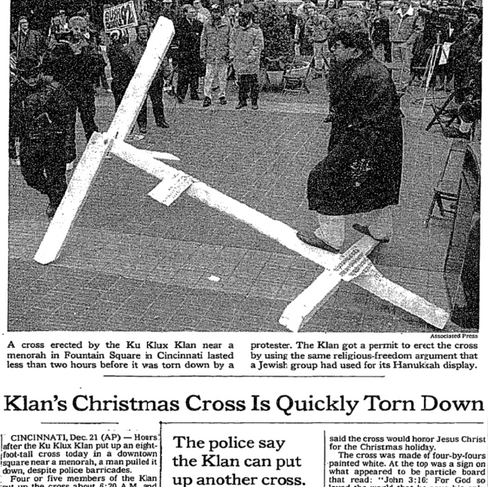
On December 22nd 1992, in Cincinnati, Ohio, a chapter of the Ku Klux Klan erected a cross next to a menorah downtown. The Klan possessed a city permit to do so, based on religious freedom. Back in 1990, the city had banned Jewish people from erecting a menorah, citing it as a religious symbol (even though the city decorated with Christmas trees and lights). The Jewish congregation secured a federal court order to place a menorah, which they did in 1991 without incident. The Klan placed their cross next to an 18-foot menorah. Two to three hundred people protested. The cross was swiftly taken down by a 44-year-old named David Miller, who was arrested for disorderly conduct.
A New Era of Gaming

New and advanced gaming systems were must-have items during the 90s Holiday Season. In 1991, the talk of Christmas that year was the highly coveted 8-bit Nintendo game system, which went for roughly $99.99 (about $236 today) at Toys“R”Us. Games were $49.99 each, and if your parents were really balling, you’d beg for the deluxe Super Nintendo system, which was $199.99 (about $473). Of course, if you were lusting after Sonic the Hedgehog, which was released that year, you’d need the Sega Genesis, which could be bundled together for $149.99 (about $355).

In 1993, the year that hip hop group TLC released Sleigh Ride, the average parent, once again with money to splurge for the holidays, for the first time in a while. Parents fielded requests for Super Nintendos and the slightly more expensive Sega Genesis. There were op-eds and reports about violence in edgy games like Street Fighter II and Mortal Kombat. The PlayStation launched in September 1995, and its super cool marketing campaign aimed at teenagers made it a highly coveted Christmas gift, although it was $299 (roughly $605 today).
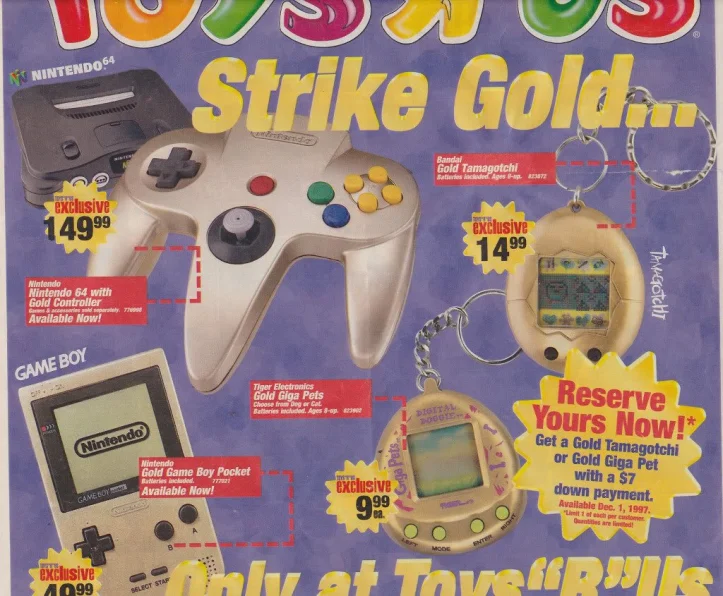
Tamagotchi digital pets were a huge video game novelty in 1997, but if they went out of stock or were too expensive, there were the knockoff Giga Pets. Kids and teens loved the opportunity to look after their digital companions. Both were compared to the “pointless” Pet Rock of the 1970s, but the toys cleared a billion dollars in sales within their first year.
Christmas Returns to The Former Soviet Union

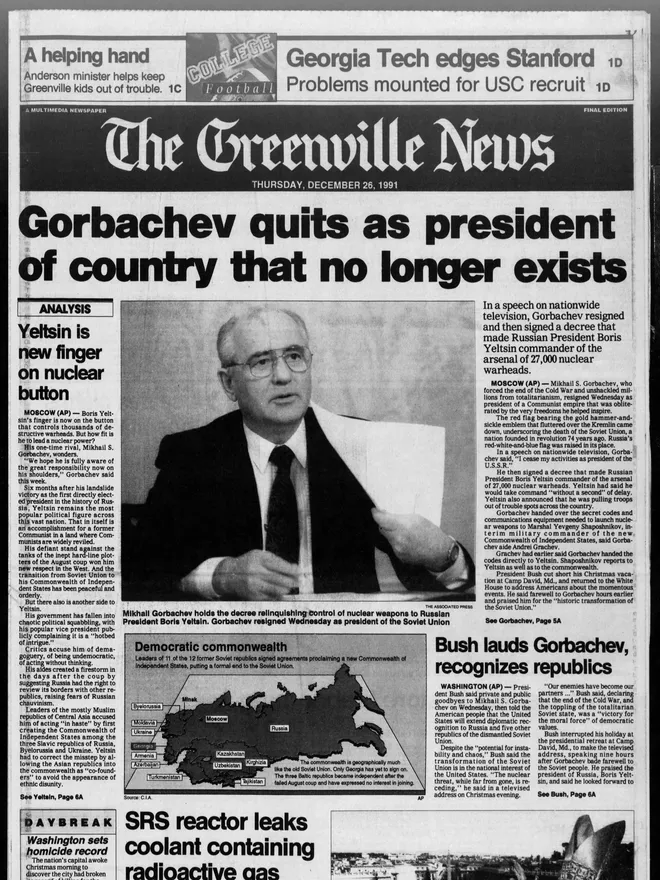
On Christmas Day 1991, Mikhail Gorbachev resigned as President of the Soviet Union. Shortly after his televised speech, in which he declared the office extinct, the Soviet flag was lowered for the final time and replaced with the Russian flag. In 1992, Christmas in former Soviet Union territories was a major deal, with Russia celebrating the holiday for the first time in 70 years. “The Bolsheviks replaced crosses with hammers and sickle. Now they are being changed back,” said the head of the Russian legislature’s committee on religion.
The Christmas Shutdown

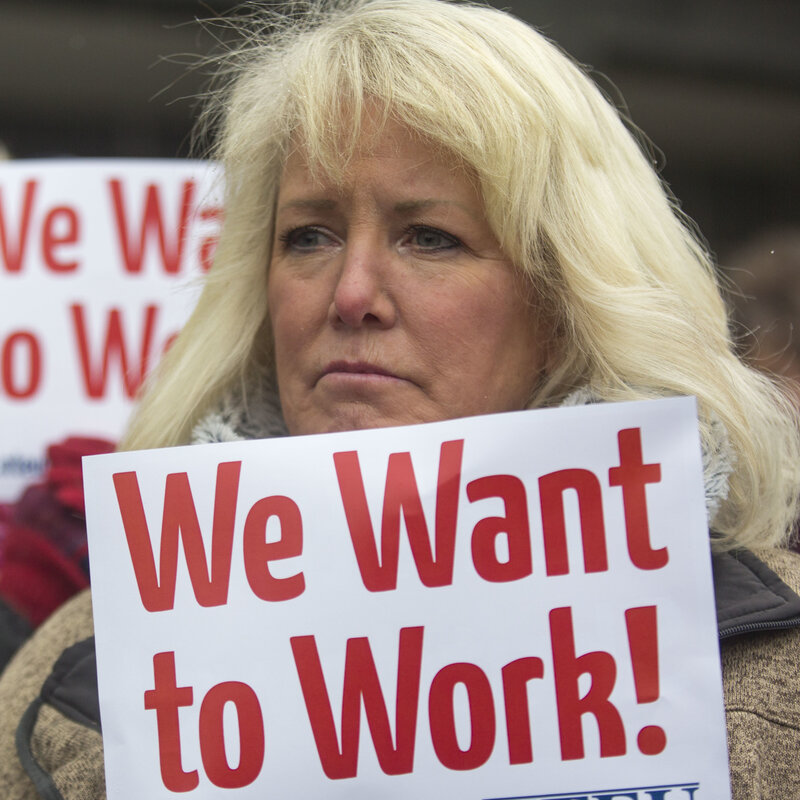
John Boehner Going into 1995, in the midst of a rebounding economy, President Bill Clinton had a new House of Representatives to deal with. Gingrich immediately came out swinging, demanding a balanced budget by cutting $270 billion from Medicaid and $180 billion from Medicare, plus a $240 billion tax cut for the wealthy. Clinton refused this budget, and Gingrich refused to compromise, entering the two branches into a stalemate.
The government would shut down twice—first for five days in November 1995, impacting 800,000 workers. The shutdown ended when Clinton signed a resolution that allowed budget negotiations to continue and the government to remain open. The second shutdown occurred again for 21 days from December to January when Clinton vetoed the re-proposed budget. On December 21st, 1995, John Boehner, an Ohio Republican in the House of Representatives (and protégé of Newt Gingrich), dramatically announced he was giving President Clinton a box of coal during a press conference during the second government shutdown since November.
The shutdown, which lasted from December 16 to January 6, made holiday budgets especially tight for the 284,000 people furloughed from their government jobs. When Clinton finally signed the Balanced Budget Act of 1997, it included some reductions to Medicare, but also included middle-class tax relief and a hard-fought tax increase for the wealthy. The $152 million in budget cuts that made it into the bill mainly impacted college students and poor families with children. When the shutdowns were in the rearview mirror, most Americans blamed Gingrich and the Republicans.
Mariah Carey's Christmas Magic

On October 28, 1994, Mariah Carey released her 4th studio album, Merry Christmas. The album’s genre was unexpected, and it featured the smash mega-hit All I Want for Christmas Is You. It didn’t actually chart at number one until 2019, but every Christmas since 1994, the song has been ubiquitous. It has earned Mariah Carey an estimated $80 million in royalties.

Christmas Hotline
In the 1994 Christmas movie The Santa Clause, there was a line in the original film where Scott Calvin says “1-800-SPANK-ME,” and after a kid in Washington called the number, which turned out to be an actual phone sex line, and racked up a $400 bill, the dialogue was removed from VHS tapes after 1999.
Oprah's Favorite Things

The most-watched episode of The Oprah Winfrey Show every year, beginning in 1996 until 2010 was her Favorite Things segment. It all began when a senior member of her staff gifted her a pair of cozy pajamas. Explained her creative director, “She loved them so much, she bought them for the whole staff. And then she decided she wanted to gift them to her entire audience.” As the years went by, Oprah’s favorites catapulted small businesses into the stratosphere with mega sales. From Garrett’s Popcorn to UGG boots to Spanx, Oprah promoted it. The best part was that lucky audience members left with every favorite item.
The Tickle Me Elmo Craze

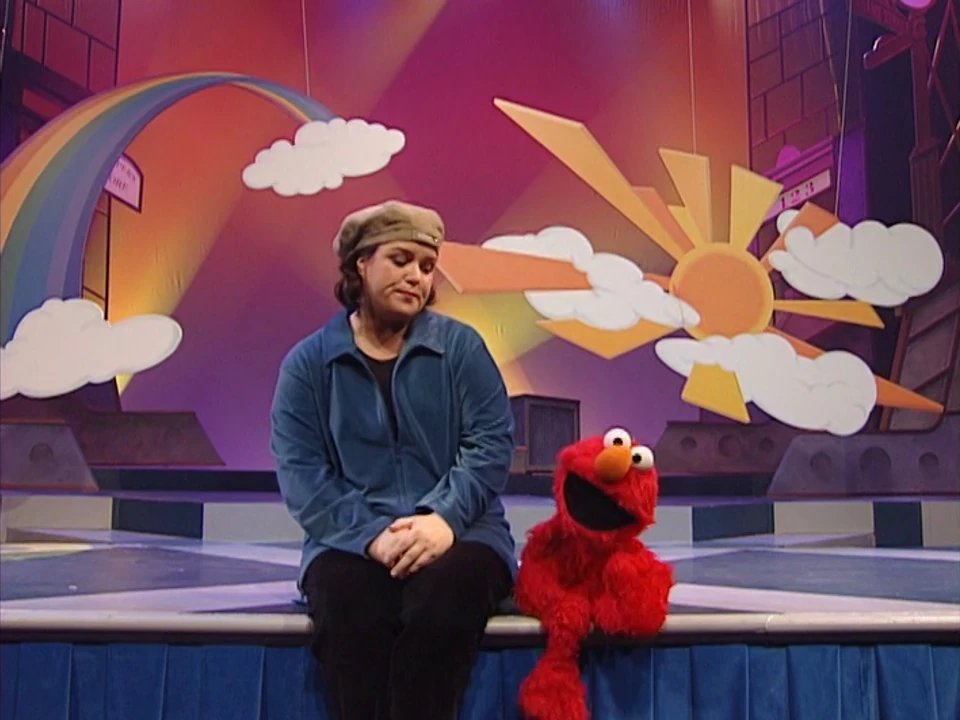
Nobody really cared about $30 Tickle Me Elmo dolls until Rosie O’Donnell featured one on her show in early October 1996. Within two months, it became highly sought after, with scalpers re-selling them for as high as $1,500. Rumors of scarcity and chaos at Black Friday sales only fueled the demand. In Chicago in early December, two women were arrested for fighting over the last doll in a store. At a “Midnight Madness” sale at a Walmart in New Brunswick, Canada, there was a stampede of 300 people looking for the toys. One employee endured “a pulled hamstring, injuries to his back, jaw, and knee, a broken rib, and a concussion.”
In Santa Barbara, a DJ named Hal Abrams held an Elmo doll “hostage” and invited people to come watch him shred it. Local news claimed the radio station received calls from concerned citizens begging them to stop. A Santa Claus impersonator eventually arrived and donated the toy to a local children’s hospital. There were false rumors swirling that mob boss John Gotti Jr., son of the imprisoned mafioso John Gotti, had purchased a case of them during a shopping session at a Toys R Us in Queens, New York. One million Tickle Me Elmo dolls were sold by the end of the holiday season, and Sesame Street saw a major resurgence in popularity. Beanie Babies also became a fashionable collector’s item this year. By 1997, counterfeit versions of the toys had begun to surface.
The Christmas toy craze was parodied in the 1996 film Jingle All the Way, starring Arnold Schwarzenegger and Sinbad as two dads on a competitive, romcom-style quest for a popular action figure. When Sinbad’s character, a postal worker, threatens police with a pretend explosive device, he insists that he’ll really do it, saying, “I work for the post office, so you know I’m not stable.” It was an obvious dark joke for the parents in the audience, especially those familiar with the real-life reports of stressed-out employees “going postal” and killing their co-workers. While filming the movie in Minneapolis–St. Paul, Schwarzenegger made sure to plug the Planet Hollywood at the Mall of America location, offering a $200 fancy fête for people to meet him and receive his favorite cigars. Jingle All the Way was the last movie starring Phil Hartman, who would be killed by his wife in a murder-suicide two years later.
Christmas in Cuba
In 1997, Fidel Castro officially declared Christmas a national holiday for the first time since 1969. Ever since restrictions on religion had been lifted in 1991, more Cubans had been celebrating, but now they could officially do so. For the occasion, the prices of rum and pork were slashed. Pope John Paul II was due to visit the island the following month, marking a new era in relations between Cuba and the Catholic Church.
Christmas 1999: Pokémon, Prepping, Shopping, & Protesting

















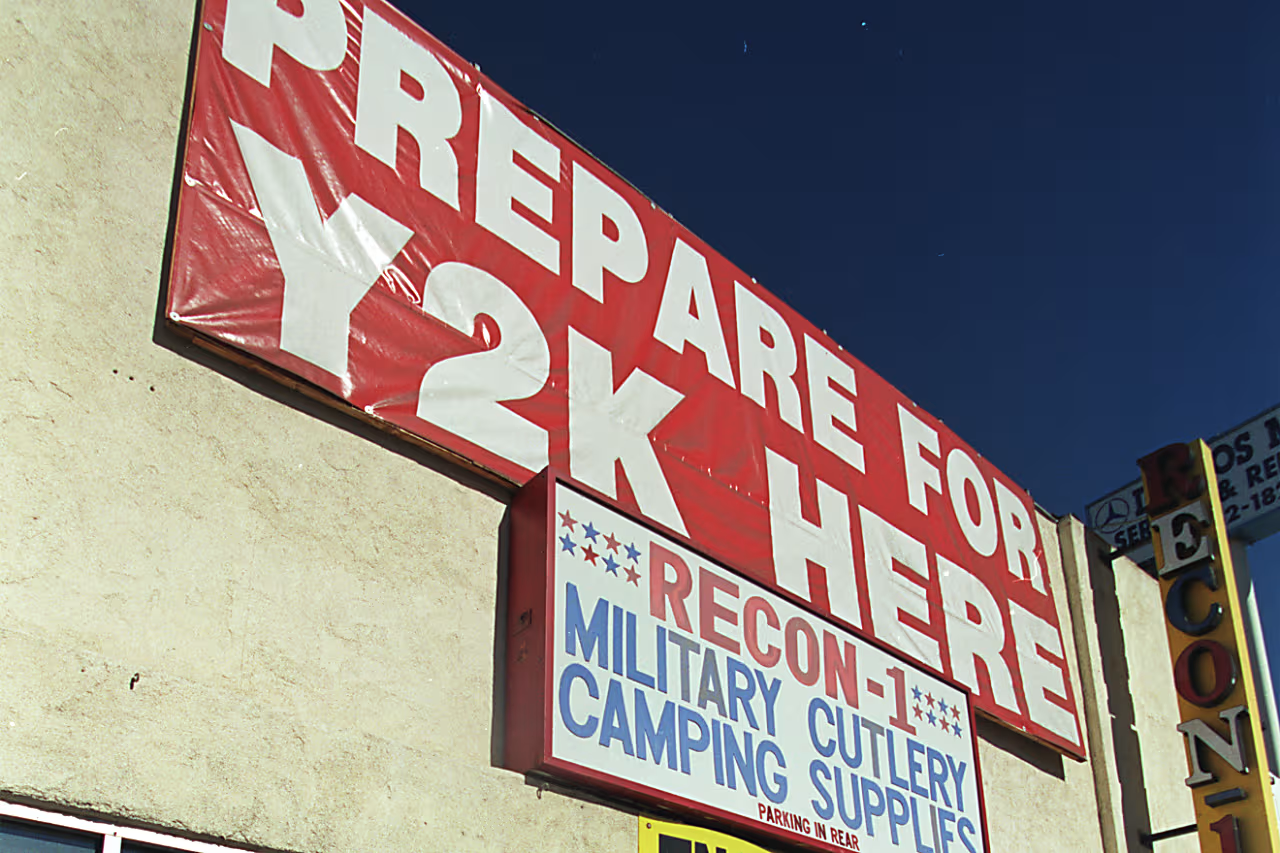
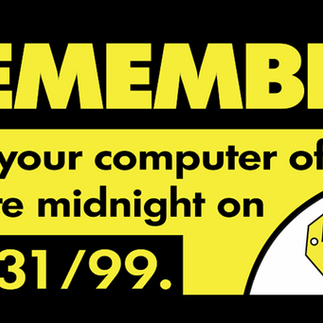
Pokémon was massive in 1999, and all of the accompanying merchandise made for great Christmas gifts. For Americans who were scared shitless by the looming threat of Y2K, when computers were expected to crash and plunge the world into chaos at the stroke of midnight, Christmas ’99 came with more anxiety than usual.



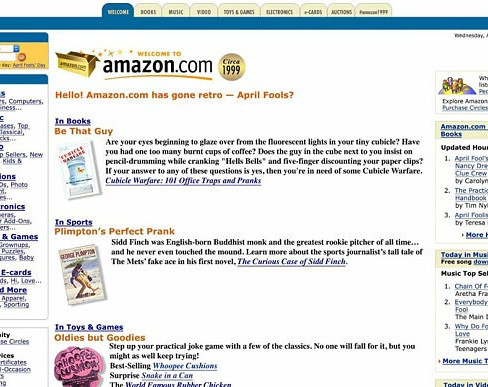
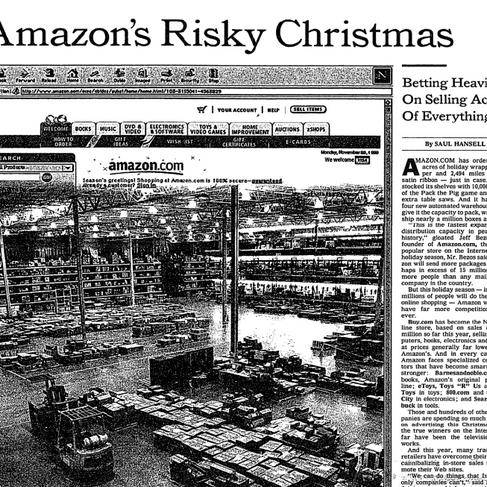
While e-shopping had been growing since 1995, the end of the decade saw the most online shopping yet. In 1999, Amazon debuted its wishlist feature, with Jeff Bezos claiming, “I like to type in a random name, say ‘Smith’ in New York, and buy them a little thing off their list. It’s more fun than feeding parking meters.” That quote appeared in an article detailing the mountains of money Amazon was spending to outrank its competitors after sloppy Christmas shipping from 1996 to 1998. The article ended, “There's only this Christmas, and maybe a few more, to find out just how big Amazon.com can be.”


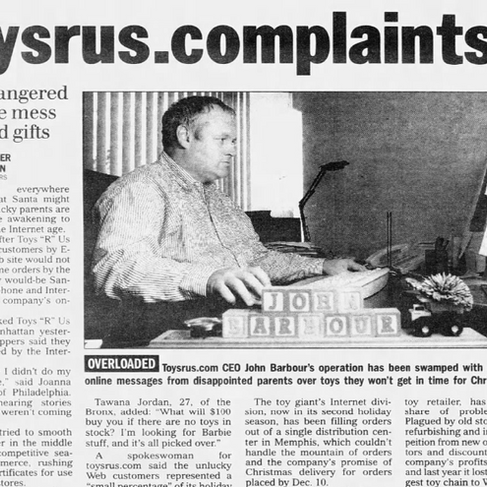
Some companies couldn’t keep up with the pressure of holiday demand. Toys ‘R’ Us mailed out 62 million catalogs in November, offering free shipping for orders from its website. It was the fifth most visited store online in December, with 1.6 million visitors in one week, but the company couldn’t fulfill 5 percent of its orders and sent customers $100 gift certificates to make up for it.

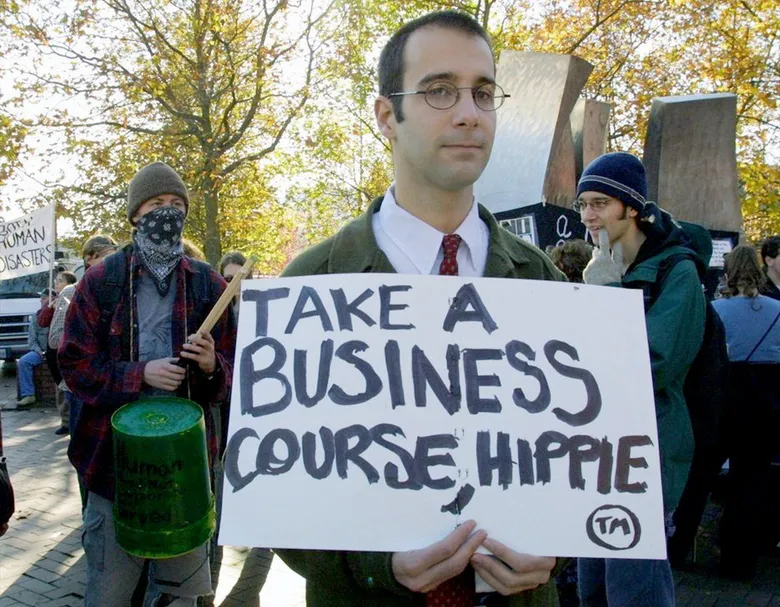
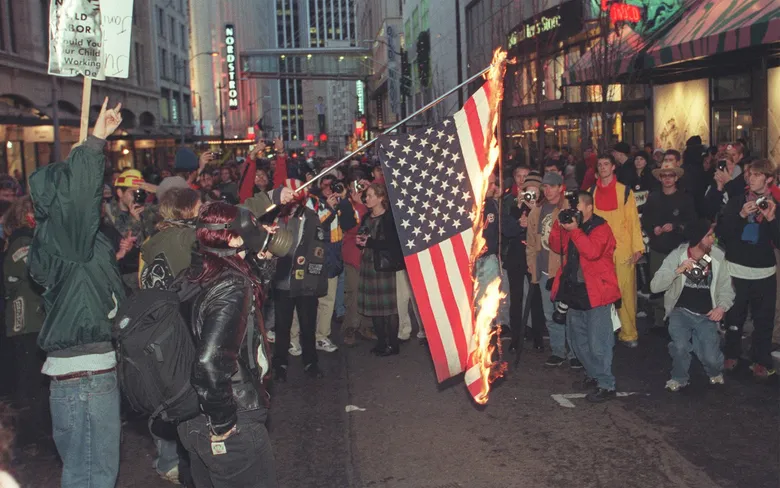
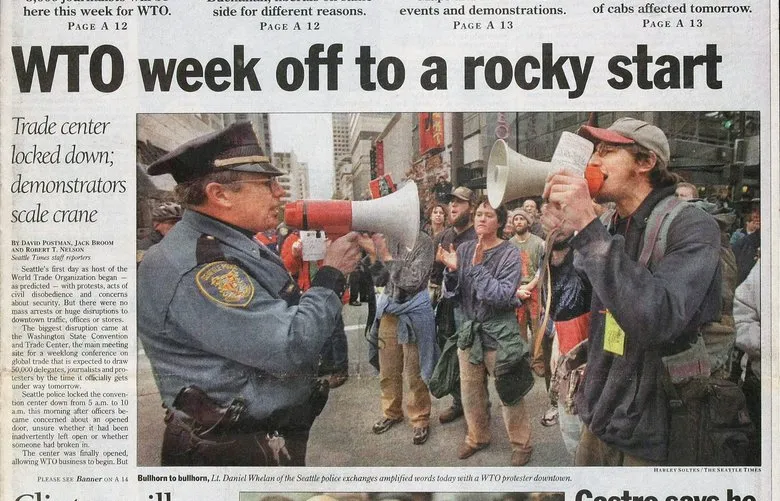
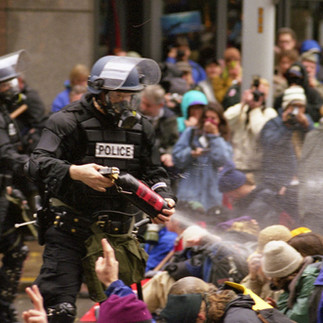
Lastly, the final Christmas season of the decade was slightly impacted in Seattle by protests and riots against the World Trade Organization summit. Plenty of the nation’s gifts were being made in sweatshops in the global south, in the process devastating local economies and changing migration patterns. “Ten million dollars of lost revenue, plus the $2 million they’re saying there was in property damage, is a big chunk out of their holiday cheer,” said one anarchist.





How many of these 90s Christmas Facts did you know? Watch the full video below for even more 90s Christmas!
Get even more 90s History in I Love The 90s!
Lexual Does The 90s Deluxe Set
From$45.00
Buy Now


Comments